
 Streamline
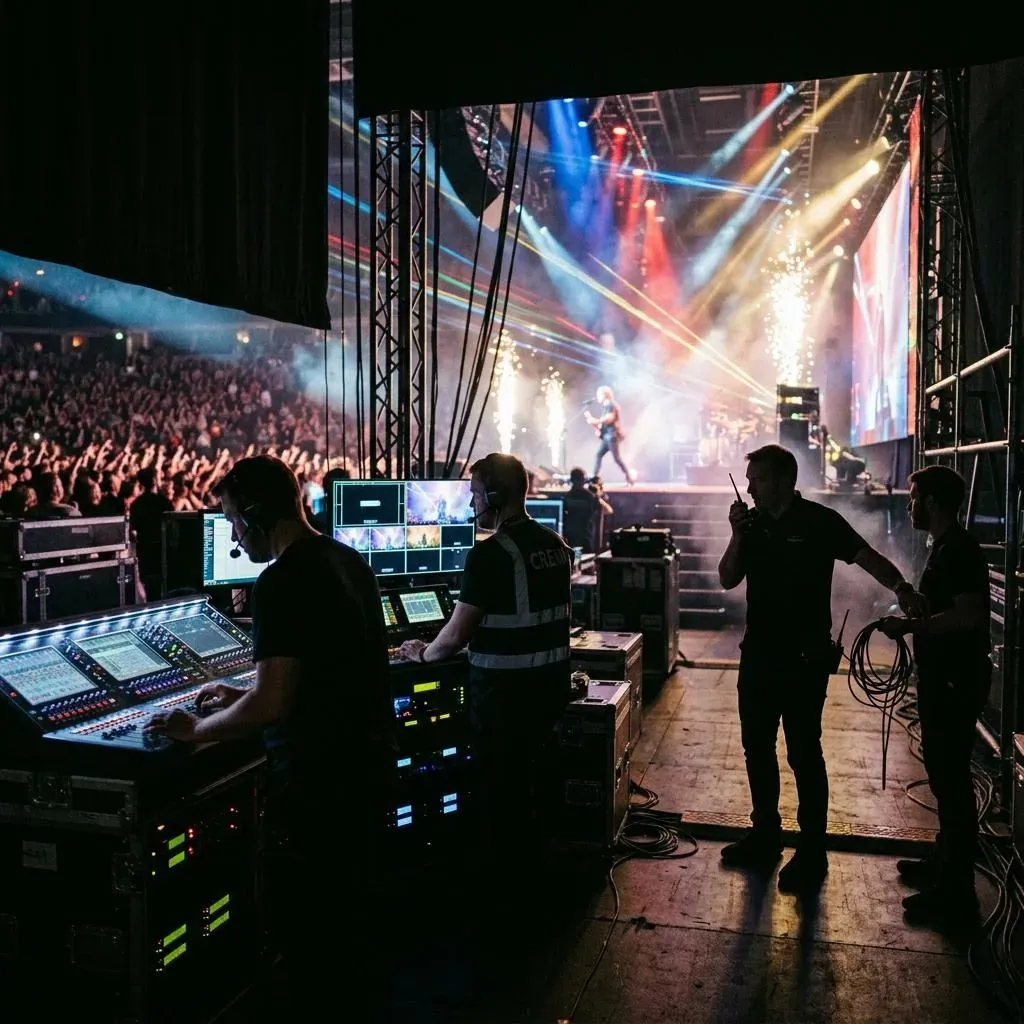
When audiences attend a concert or live performance, their attention naturally turns toward the performers, lighting and music. Behind the visible production, however, numerous people coordinate equipment, stage changes and practical arrangements. Their work helps the programme move from one segment to another without unnecessary interruption. Reliable Event Manpower Supply UAE services can support organisers who require appropriately assigned personnel for different production activities. Understanding the responsibilities of backstage and event crews is essential because large performances depend on coordination, preparation and safe working procedures.
Production Planning Begins Before the Audience Arrives
A live event usually involves a detailed technical schedule. Equipment must arrive, approved stage structures require installation and different departments need access to the performance area.
Crew planning should begin with the production requirements rather than a general estimate of how many workers might be needed. The equipment list, venue restrictions and schedule all influence staffing decisions. Specialist activities must be assigned to personnel with suitable experience and qualifications.
Stagehands Have Specific Responsibilities
Stagehands assist with practical tasks associated with preparing and operating a live production. Depending on their training and the project, these duties may include moving appropriate equipment, organising materials and supporting approved stage changes.
Their responsibilities should be clearly defined. Complex rigging, electrical work and other high-risk activities require appropriately competent and authorised specialists. Event organisers should not assume that every general crew member can safely undertake technical tasks simply because they are working backstage.
Communication Keeps Production Moving
Live performances often follow tightly planned schedules. When several departments are involved, inaccurate communication can delay a stage change or create confusion about equipment movement.
Teams need an agreed communication structure that identifies who gives instructions and who confirms that tasks are complete. Radios or other suitable systems may assist, but equipment alone cannot replace a clear chain of responsibility. Short briefings before important transitions help everyone understand the next activity.
Setup and Dismantling Require Equal Attention
The beginning and end of an event can be particularly demanding. Equipment may arrive from several suppliers, while venue access is restricted to specific periods.
During dismantling, tired teams may face pressure to complete work quickly. A realistic schedule should allow safe movement of materials, clear loading routes and suitable supervision. Completing breakdown activities efficiently should never depend on ignoring established safety requirements.
Workforce Planning for a Busy Venue
A production plan should distinguish between tasks that need continuous coverage and those requiring additional personnel during particular periods.
Typical workforce considerations include:
- Personnel for approved equipment movement.
- Loading and unloading assistance.
- Stage preparation and changeover support.
- Backstage access and credential coordination.
- Crew transport and reporting arrangements.
- Supervisors responsible for specific working areas.
Staff numbers depend on the production design, venue conditions and equipment involved. A uniform staffing ratio cannot address every concert or festival.
Managing Backstage Access
Backstage areas may contain performers, technical equipment, production offices and valuable materials. Access should be managed according to the event’s approved credential system.
Personnel responsible for checking access need accurate information about authorised categories and reporting procedures. They should not improvise security rules or allow exceptions without approval. Where regulated security duties apply, appropriately licensed personnel may be required under relevant UAE rules.
Protecting Crew Welfare During Long Events
Concerts and festivals can involve extended working periods, outdoor conditions and demanding physical activities. Adequate breaks, drinking water and appropriate working arrangements are important operational considerations.
Supervisors should also be aware of heat exposure during outdoor events in the UAE. Work schedules must take applicable requirements and site conditions into account. Personnel should have a clear method of reporting fatigue, unsafe conditions or injuries without being pressured to continue inappropriate work.
Handling Unexpected Production Changes
A delayed performer, revised running order or equipment problem can alter the original production plan. Teams must understand how such changes will be communicated.
A central production manager or authorised supervisor should coordinate revised instructions. Staff can then confirm whether the requested changes are practical and safe. When equipment or stage configurations are involved, technical personnel must assess the implications before work proceeds.
Reviewing Performance After the Show
Once the audience leaves, production teams can identify improvements for future events. Useful observations include loading delays, unclear instructions, staffing shortages and communication difficulties.
A short review involving department supervisors helps gather practical feedback. It is also valuable to examine whether the original schedule allowed sufficient time for preparation and breakdown. These lessons can strengthen future workforce planning without blaming individuals for problems caused by unrealistic arrangements.
Conclusion
Live productions rely on coordinated work that audiences rarely see. Stage preparation, backstage movement, communication and careful scheduling all contribute to an organised performance environment. The Crew Lab provides event crew and production-support personnel for concerts, festivals and other live events across the UAE. Organisers should select workers according to actual responsibilities, maintain clear supervision and prioritise suitable technical qualifications where required. Effective workforce planning helps production teams manage demanding schedules while maintaining attention to safety and operational control.